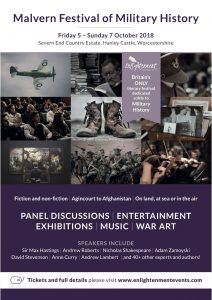
 I have just got back from a great weekend at the Malvern Festival of Military History. It was a fantastic event, featuring a wide selection of historians, novelists and enthusiasts and I highly recommend it to anybody interested in the field who didn’t make it this year. I met some amazing people and have come away with some good memories and a whole host of new ideas which I am never going to have time to write. I also spent a small fortune on books…
The festival was a full-on weekend, with so many talks and discussion panels that it was genuinely difficult to get time to eat. It took place in several marquees in the grounds of Severn End in Hanley Castle and the excellent coffee van and crepe van kept a few of us going through the weekend. Having to travel from the Isle of Man meant that I missed most of the first day although having attended this year, I am going to make sure that next year I’m able to be there for the full event.
I arrived in time to hear Sir Max Hastings’ talk on Vietnam which was excellent. Vietnam is one of those conflicts, like the Northern Ireland troubles, which was part of the backdrop to my childhood. My parents were daily news watchers and allowed us to watch with them from a very early age so I always knew about the war although I never learned about the causes until I reached university in the early eighties. I genuinely want to read this book.
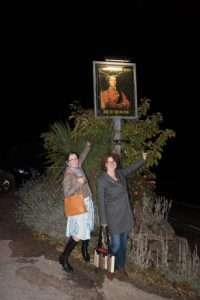
On the following day I attended panels on the English Civil Wars and 1815-1914 – A Century of Peace? Contrasting talks were given by Nicholas Shakespeare on how Churchill unexpectedly became Prime Minister and Andrew Roberts on Churchill: walking with destiny. I was sorry that the evening concert had to be cancelled but I thoroughly enjoyed the speakers’ reception which gave an opportunity to meet people informally. I’m indebted to my husband for managing to find a very suitable pub for dinner afterwards; the Wellington Inn. Jacqueline Reiter and I were so excited that I’m surprised they let us in, they probably thought we were lunatics, but I’m glad they did, the food was excellent.
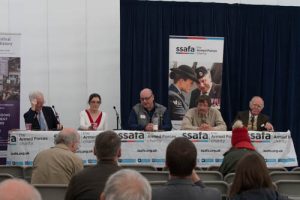
Sunday was they day very much dedicated to the period I write about and I enjoyed every single one of the talks on that day. Adam Zamoyski on Napoleon was interesting and I enjoyed his exchange of views with Charles Esdaile. Probably my favourite panel was the one on Waterloo ably chaired by Robert Pocock. Charles Esdaile, Jacqueline Reiter, John Hussey and Alan Forrest discussed a number of questions covering both the military and political aspects of the battle and an alarming number of books have been added to my ‘to read’ list.
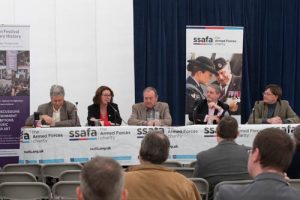
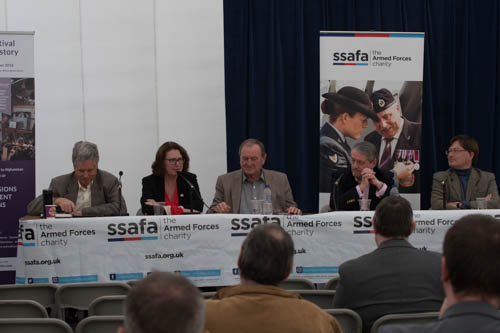
My own panel was the last of the day, consisting of myself along with Adrian Goldsworthy, Tom Williams, David Donachie and Iain Gale, all fantastic authors. David was a great chair, and we talked about some of the challenges of creating believable historical fiction at the same time as spinning a story that readers will enjoy. I loved it and would have been happy to sit down afterwards to carry on the discussion.
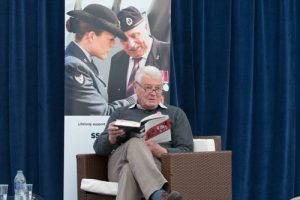
The last talk was given by Lord Ashdown about his book “Nein! Standing up to Hitler 1935-44” which blows away the commonly held belief that there was little resistance to Hitler among his own people. It was a story of lost opportunities which led to tragedy and I bought that one on the day.
In the outer marquee were book stalls, an exhibition of war art and a variety of information stands and endless opportunities to talk. I spent most of the weekend talking and listening; it isn’t often I get the chance to spend time with a group of people who are just as passionate about history as I am and I loved every minute of it.
There are probably one or two things to be learned for next year. Food was genuinely a bit of a problem; the programme was very intensive and it was difficult to leave to get food. This was fine on the first day where there seemed to be a variety of food stands but on the Saturday and Sunday there was only the crepe van, who heroically fed the entire event. I suspect the weather, which was cold, and on Saturday very wet, kept them away but I wonder if it caused some people to leave to get lunch and perhaps not to come back or to miss some of the talks because of it.
It was a pity that the two evening concerts were not a success. I wasn’t able to get to the first one as it coincided with Richard’s train arriving and I had to pick him up, but I gather it was so poorly attended that the second one, on the Saturday, was cancelled. This was a real shame but I suspect it was a combination of the cold, wet weather and the problem of food once again; once people leave a venue to find dinner it is hard to get them back again. I’m hoping that it doesn’t put the organisers off the idea of the evening concerts, I think it’s a great one, it’s just the timing that needs looking at.
None of these minor blips detracted from my enjoyment of the event. The speakers were excellent, the discussions lively and everybody I met was friendly. I had been a bit concerned that my mathematician husband would be bored but he had a great time and is definitely keen to come back next year.
I met so many great people it’s impossible to list them all although a few stood out. Carl and Gail Christie (who travelled all the way from Canada for the event), Charles Esdaile, Sinead Allen, Robert Pocock, Andrew Lacey (a fellow undergraduate with me back in the early eighties), Ian Blance (whose organisational skills are astonishing) all the great writers on my panel but especially Tom Williams (read his books, they’re awesome) and of course Jacqueline Reiter. Thanks to everybody we met for being friendly, welcoming and really interesting. In the end, it’s the people who make events like this such a success.
I sincerely hope that the Malvern Festival of Military History goes from strength to strength. I intend to be a regular visitor and want to extend my thanks and congratulations to Ian Blance and Enlightenment Events for a marvellous weekend. Well done.
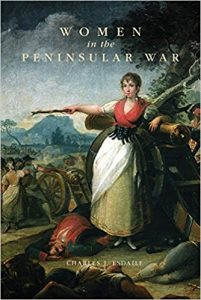 Women in the Peninsular War are a central theme of the novels I write and I have just finished reading an excellent book with that title by Professor Charles Esdaile. I have just finished reading this book properly for the first time, although I’ve dipped in and out of it for research for my novels for a while. Charles Esdaile has written an excellent account of the experiences of women of all nationalities and classes who found themselves caught up in the horror of the conflict in Portugal and Spain in the early nineteenth century.
 I first came across this final story when I was researching courts martial for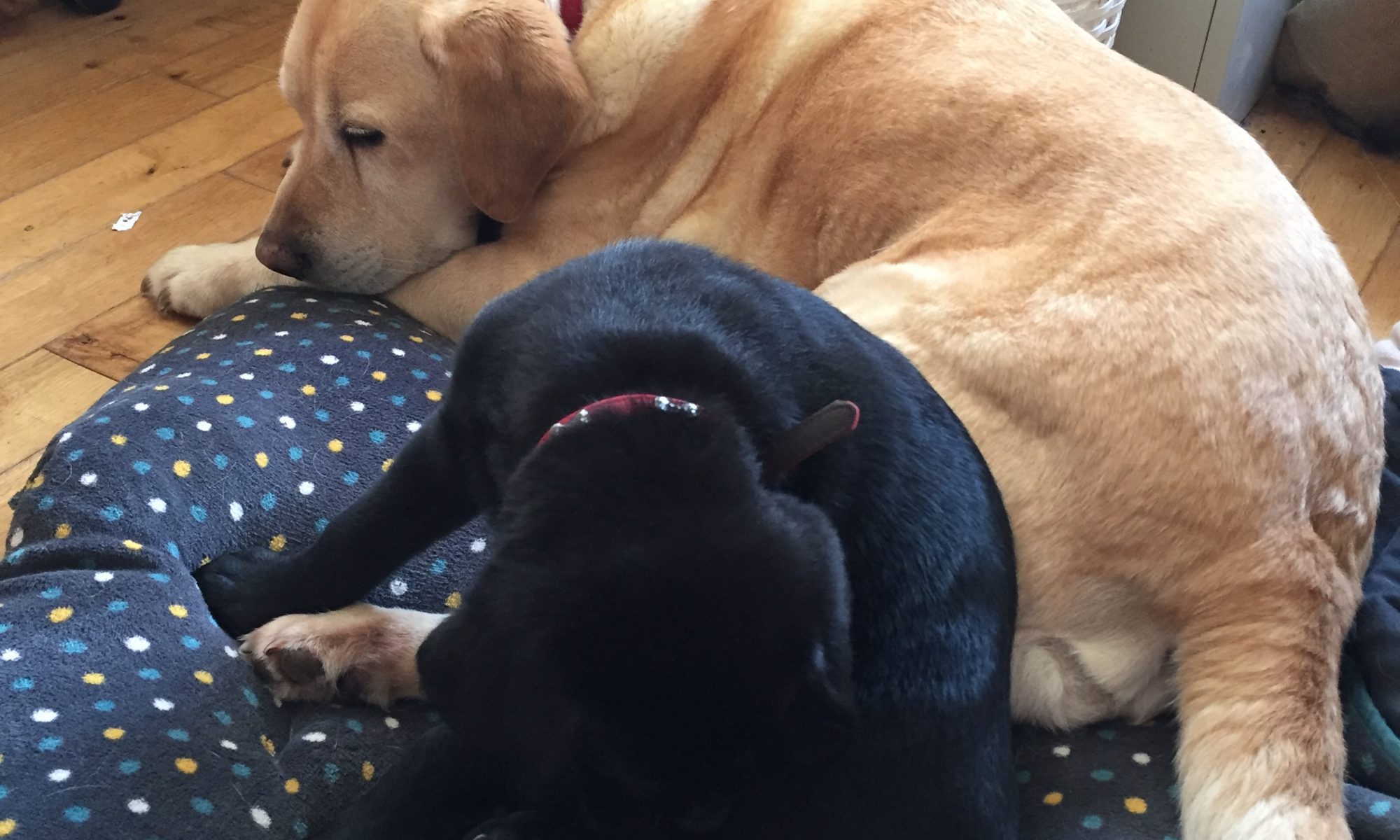
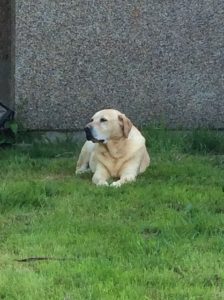 Welcome to the very first guest blog post from yours truly, Joey the Labrador, senior officer here at Writing with Labradors.
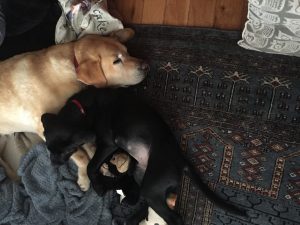
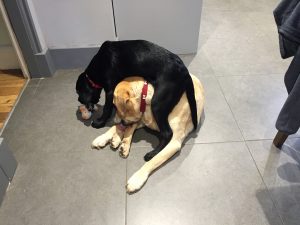 It’s been more than six weeks since we lost Toby and we’re all getting more used to it, though we’ll never stop missing him. At first I used to forget he was gone and wander around looking for him but I’m over that now. Having Oscar has been the best thing ever, I’m never lonely. He’s always close by, sometimes a bit closer than I need him to be, to be honest. I know I loved old Toby, he was my best mate all my life, but I’m pretty sure I never used to sit on him. Still, although I tell him off from time to time, I secretly quite like Oscar wanting to be that close to me.
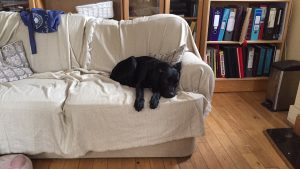 Life goes on and there are always changes. Jon-human has started work now and isn’t around studying all the time so there have been some changes in the study. The big table has gone and we’ve got a very comfy sofa and armchair instead which makes it much more homely. Personally I still like my bed best, just behind her chair, so she has to ask me to move if she wants to get up for a cup of tea, but Oscar loves the sofa and we’re very settled in there all day when she’s writing.
 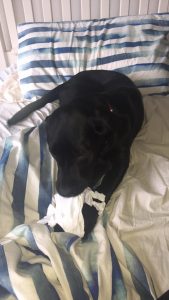 This is great news as she spoils us rotten and even lets us sleep in her bedroom which is normally off-limits. I particularly like it when she sends photos of this to her mother who can do nothing about it because she’s stuck in a castle in some remote part of Spain gibbering about battlefields. Next month she away at the
 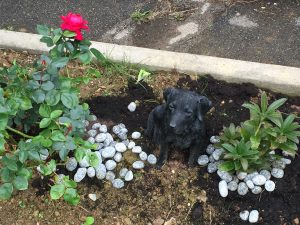 Writing with Labradors is back on track and I think our senior officer would be proud of us. Sitting out on the porch on sunny days, I look at his statue and I’m very glad to have known him. One day Oscar will sit here thinking of me like this, but it’s great to know the tradition is going to carry on through him.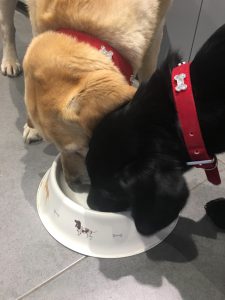


 Remember to watch out for the fifth book in the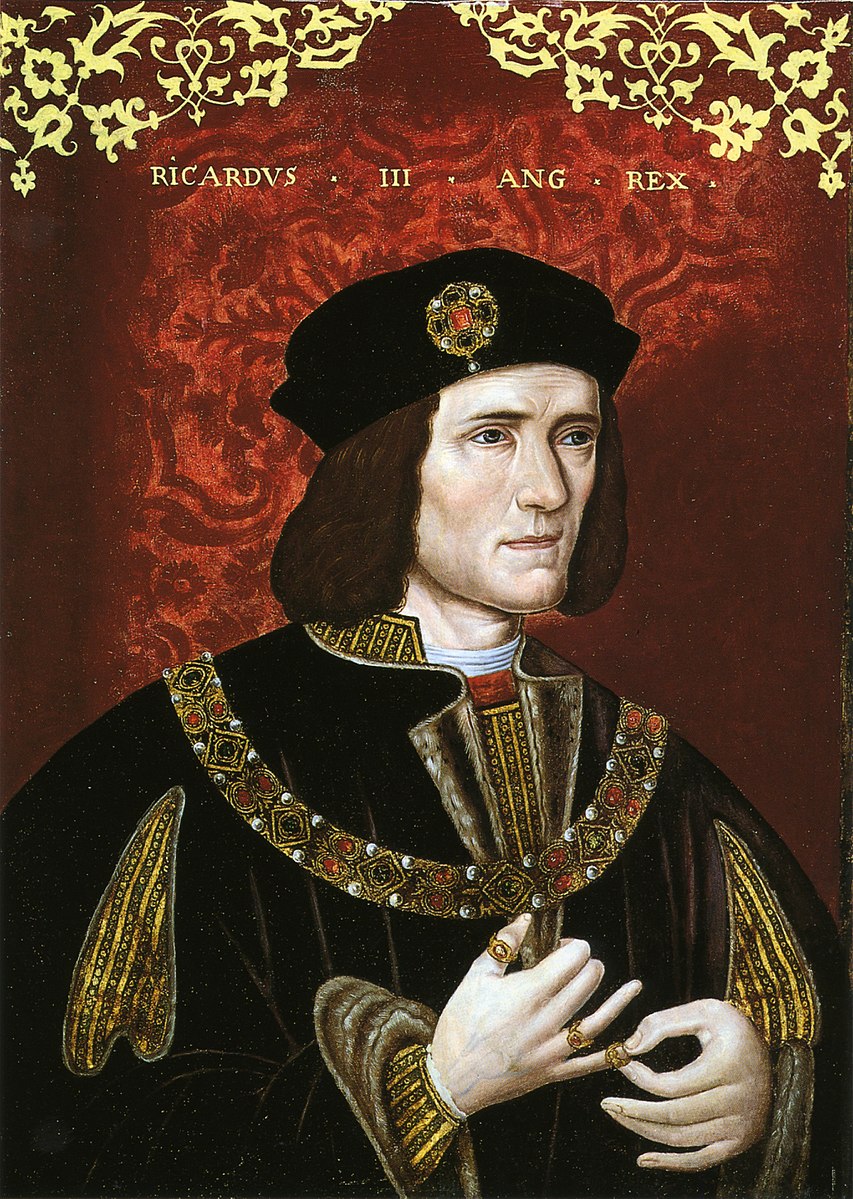
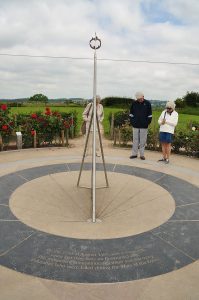 This is an appeal against the threat to the Bosworth Battlefield site. I have lifted the text directly from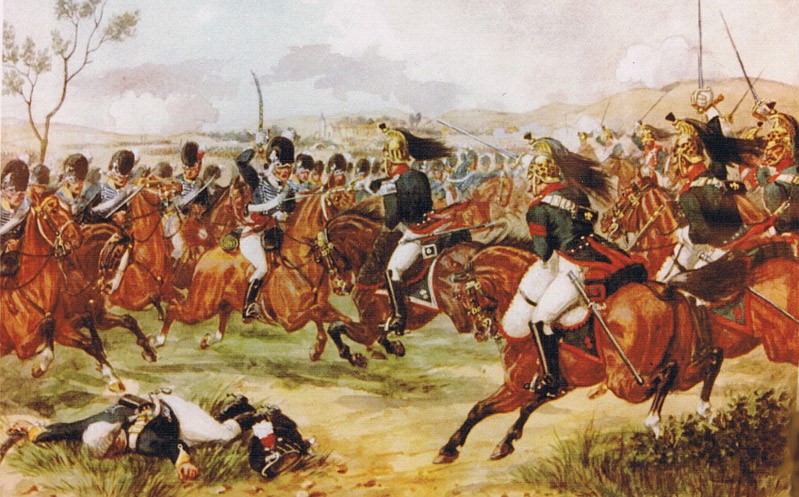
 The Battle of Vimeiro took place on this day in 1808 when the British under General Sir Arthur Wellesley defeated the French under Major-General Junot near the village of Vimeiro in Portugal.
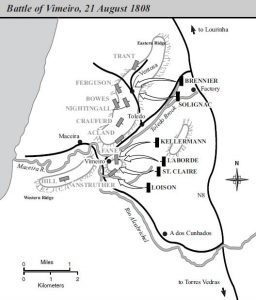 Junot’s first move was to attempt to outflank the British by taking an unoccupied ridge to the north-east of the village. Wellesley’s men held Vimeiro and the western ridge, but he moved quickly to take the ridge ahead of Junot. Junot sent reinforcements to join the battle on the flank but made the decision to launch an attack on the village without waiting to see the outcome of his outflanking manoeuvre.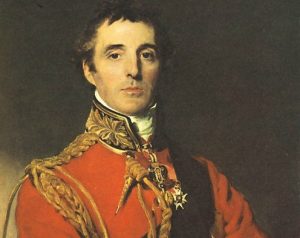
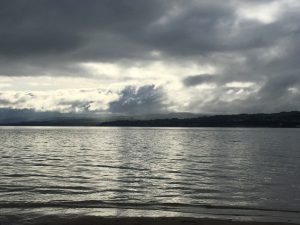 I’m currently on a week long trip to Northern Ireland: a place of contrasts which leaves the traveller in me overwhelmed by the beauty of the landscape and the historian in me with her head spinning. After only a few days it’s clear to me how appallingly difficult it must be for any historian writing about the turbulent past of this area to find a balance between the stories of the past and the ongoing narrative of the present.
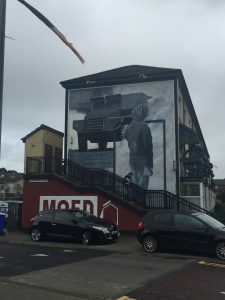 This trip has changed that for me. Spending time in Belfast and Derry, reading accounts of the confusing relationships between the English, the Scots and the Irish of all persuasions has reminded me that through the centuries this has been so much more than the simplistic explanation of conflict between Protestants and Catholics which was what I remember being told as a child, watching the violence explode across the evening news week after week through the seventies. IRA bombings were a reality of life, coming close to home on more than one occasion, and all I can remember back then was a sense of anger at feeling under threat over a cause that I did not understand and felt was none of my business.
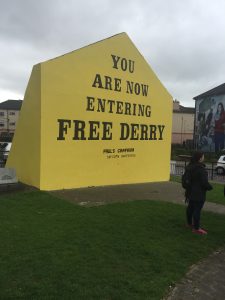 Yesterday we went for a trip to Derry / Londonderry and visited the
 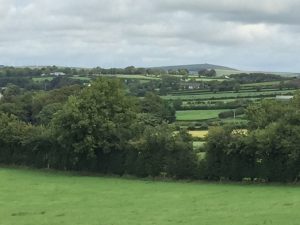 Alongside the historical complexity of this region is the stunning beauty of the scenery and that can be appreciated without needing to understand any more. Coming from the Isle of Man, I consider myself a connoisseur of fabulous coastlines and this one is definitely up there with the best. Travelling back on the Lough Foyle ferry yesterday evening into Magilligan was magical.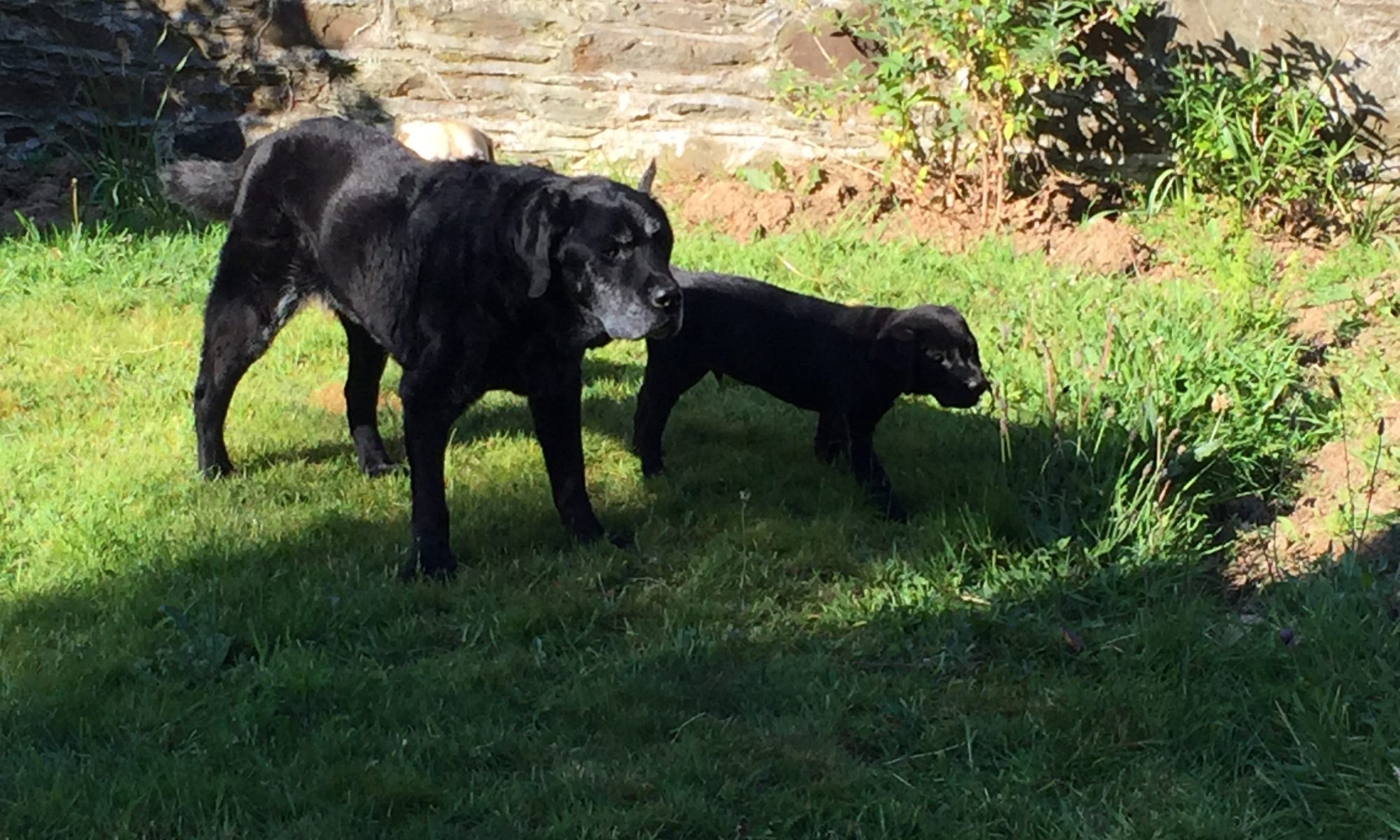
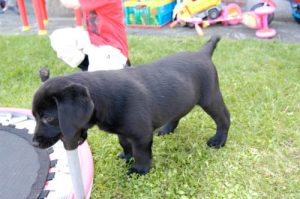 Toby was the result of a snap decision after spending some time with friends who had a young black labrador. It was a decision that changed our lives.
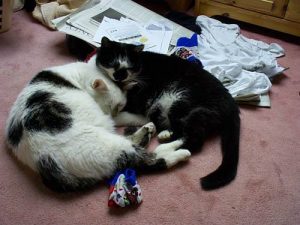 We had lost our beloved cats, Reggie and Ronnie, over a year earlier. Both lived to be more than twenty and we couldn’t imagine finding cats with their enormous personalities to replace them. We were living on the Isle of Man by then with two young children, both of whom had fallen in love with Tavey, our friends’ dog during our visit. On the way home, Richard said suddenly: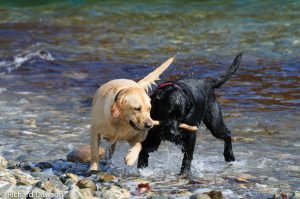
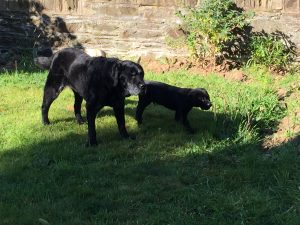
 Toby at two and a half, when we introduced Joey, the new puppy, patiently letting him jump all over him and then batting him halfway across the room when he got bored.
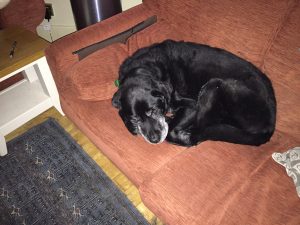 Toby getting older, his beard and eyebrows going grey, still handsome, very distinguished.
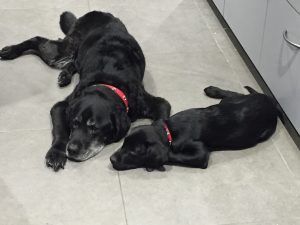 Toby meeting Oscar, the new puppy. Standoffish at first, then interested, but very much in charge, very much the senior dog. All the little steps of acceptance; the first time sharing a bed, letting Oscar lick him, licking him back. Toby watching Joey and Oscar play fighting and then finally joining in, a bit stiff and awkward, but having fun, his tail wagging.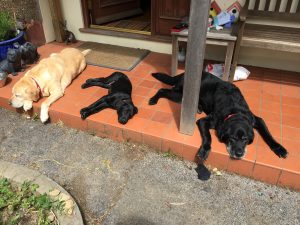
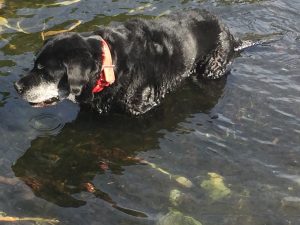 There was a day, a few weeks back, when we took the dogs to Groudle Beach. I’d not seen Toby go into the water properly for a long time but he clearly wanted to show Oscar how it was done. It brought tears to my eyes to see how happy he was, splashing about. He looked like a dog who was discovering some of his lost youth and seemed to be enjoying it.
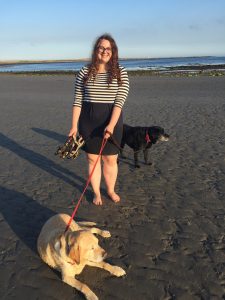 A week ago we took the three of them to Derbyhaven Beach in the evening. He was less keen to swim that day but he paddled, and sniffed the rocks and walked around on the sand looking so happy, his tail wagging, a big grin on his face.
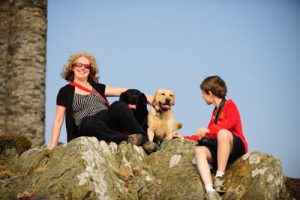 It’s only been a few days, and grief still catches all of us unawares. We all deal with it differently; the girls talk and cry a lot, the boys are quieter, sadder. Joey spent the first day wandering from room to room, knowing he was missing, which made me cry more. But we were so lucky to get Oscar, the perfect puppy, when we did. His company has settled Joey very quickly. It would have been much harder without him.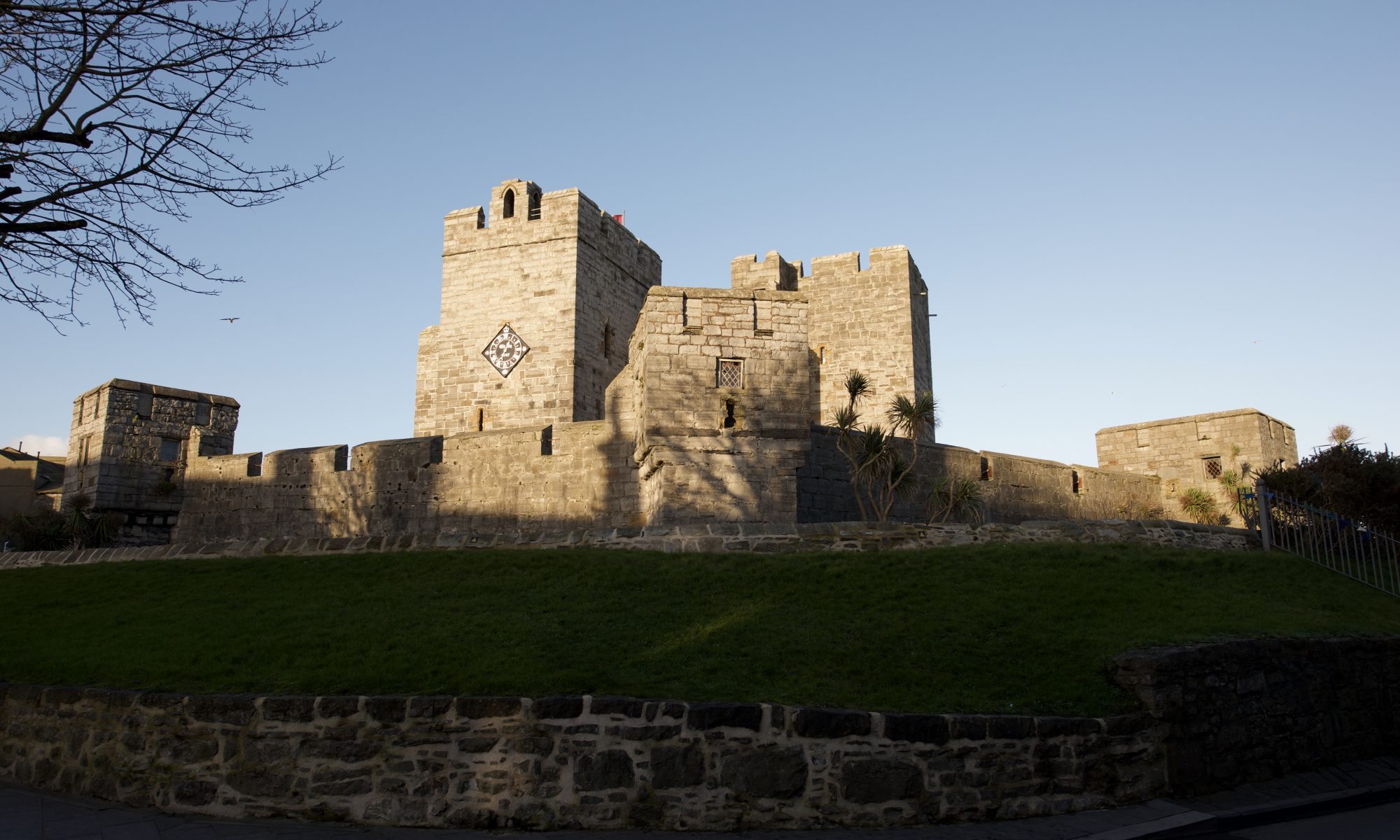
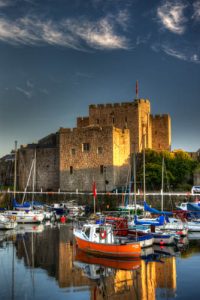
 were genuinely funny; I particularly liked the one he apparently found in an old book telling of the ghost of a black headless dog in Castletown which can only be seen by another dog. A talking dog, presumably. I must take my boys down there and they can tell me if they see anything…
 Other stories genuinely had a spooky feel about them. The ghostly woman in black seen around Castle Rushen is a very traditional ghost story but there’s a reason it’s a classic and the mysterious light coming on at night in one of the rooms of Compton House was also an odd one. I also enjoyed the haunting of the Old Grammar School; ghostly children’s voices singing in an empty building is a definite chiller.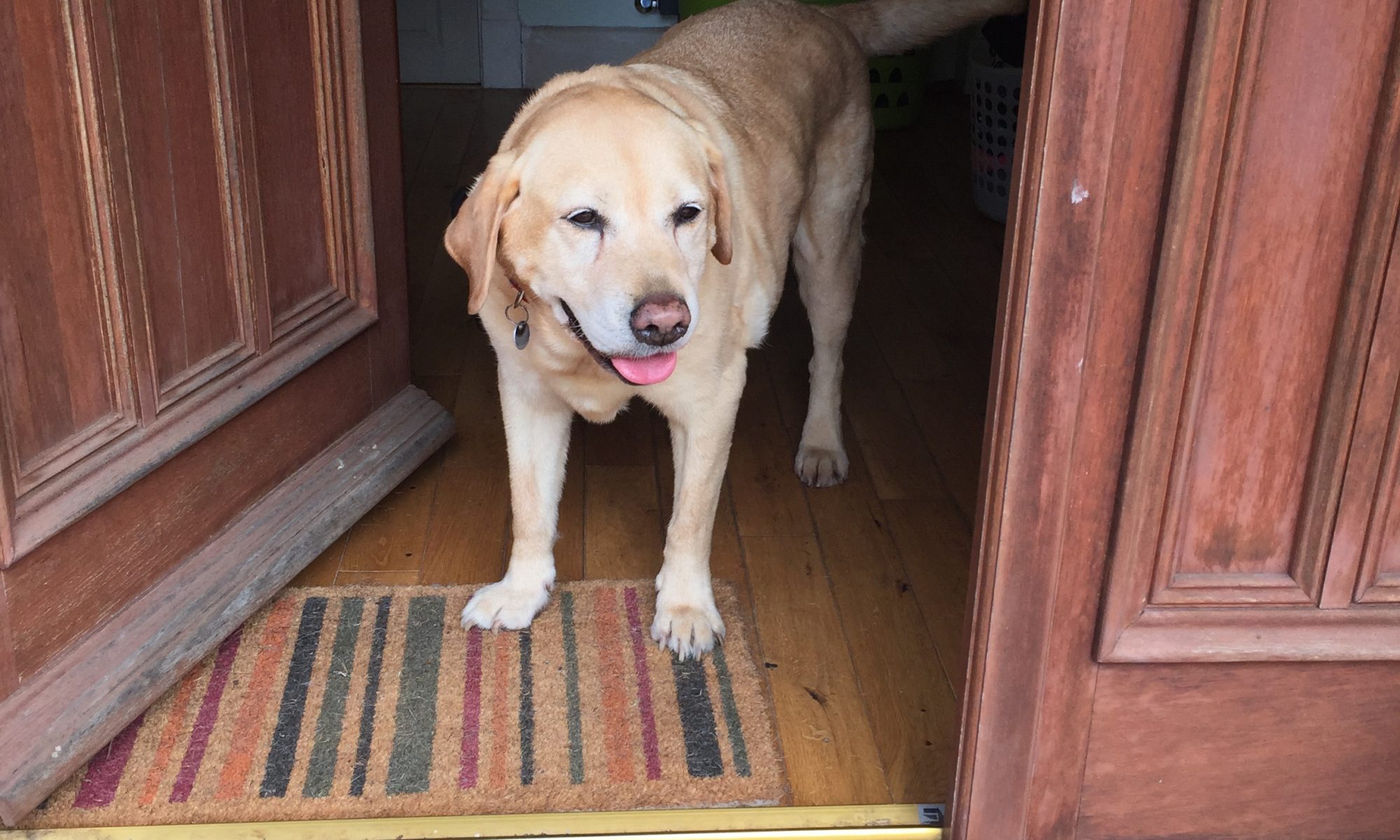
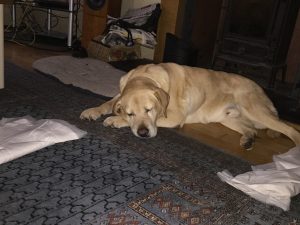 I thought long and hard about sharing our experience with Joey the Labrador during the past 72 hours. Part of me thought it was too cold and contrived to talk about that many tears and that much stress on a blog post. The other part of me is aware that since I started Writing with Labradors just over a year ago, hundreds of people have not only read, but interacted with me about my writing, my life and more than anything else, my dogs. Toby and Joey, my elderly labradors, have become firm favourites with a large number of people and our new arrival, Oscar, has been hugely popular.